


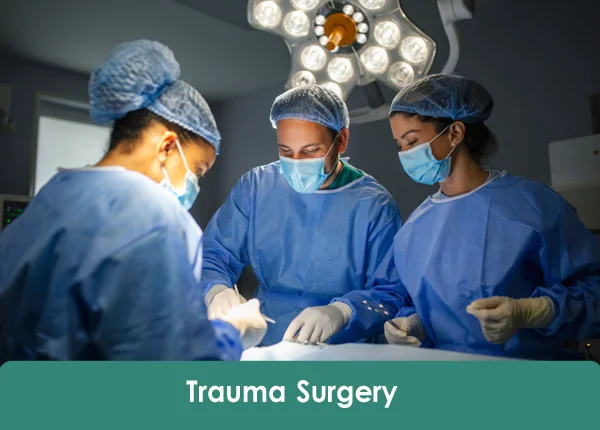
Trauma Surgery
Trauma Surgery in Paschim Vihar by Dr. Anurag Sharma
Trauma Surgery in Paschim Vihar
Trauma injuries can occur suddenly due to road accidents, sports injuries, falls, workplace accidents, or severe fractures. Proper and immediate trauma care is essential to restore mobility and prevent long-term complications. Dr. Anurag Sharma is a highly experienced orthopaedic and trauma specialist offering advanced Trauma Surgery in Paschim Vihar with modern surgical techniques and personalized patient care.
Trauma surgery focuses on treating complex fractures, dislocations, ligament injuries, pelvic injuries, and multiple bone trauma conditions. With advanced diagnostic support, Digital X-Ray, Lab Investigation, and rehabilitation services, Dr. Anurag Sharma provides complete trauma management under one roof in Paschim Vihar.
What is Trauma Surgery?
Trauma Surgery is a specialized orthopaedic procedure performed to repair severe injuries affecting bones, joints, ligaments, muscles, and soft tissues. It is commonly required after accidents, fractures, or severe physical injuries that cannot heal properly with medications or plaster support alone.
The goal of trauma surgery is to:
- Restore bone alignment
- Stabilize fractures
- Repair damaged tissues
- Reduce pain
- Improve mobility
- Prevent permanent disability
Dr. Anurag Sharma uses advanced trauma care techniques for quick recovery and better long-term outcomes.
Symptoms That May Require Trauma Surgery
Patients may require trauma surgery if they experience:
- Severe bone fracture
- Swelling and deformity
- Intense pain after injury
- Inability to walk or move
- Joint dislocation
- Open fractures
- Bleeding around injured area
- Muscle weakness
- Restricted movement
- Numbness or tingling sensation
Ignoring these symptoms can worsen the injury and delay recovery. Early consultation with Dr. Anurag Sharma in Paschim Vihar is highly recommended.
Causes of Orthopaedic Trauma
Several situations can lead to traumatic orthopaedic injuries, including:
Road Traffic Accidents
High-speed collisions often cause multiple fractures and joint injuries.
Sports Injuries
Athletes may suffer ligament tears, fractures, and muscle injuries.
Falls
Falls from stairs, slippery floors, or heights can lead to severe trauma.
Workplace Accidents
Heavy machinery injuries and industrial accidents commonly affect bones and joints.
Osteoporosis
Weak bones in elderly patients increase fracture risk even with minor falls.
Trauma Surgery Procedure Explanation
The procedure depends on the severity and type of injury. Dr. Anurag Sharma carefully evaluates each patient before planning surgery.
Step 1: Diagnosis
The injury is assessed through:
- Physical examination
- Digital X-Ray
- Lab Investigations
- MRI or CT Scan if needed
Step 2: Stabilization
Emergency care is provided to control pain, bleeding, and swelling.
Step 3: Surgical Repair
Depending on the injury:
- Plates and screws may be used
- Rods or implants may stabilize bones
- Joint reconstruction may be performed
- Ligament or tendon repair may be done
Step 4: Post-Surgical Monitoring
The patient is monitored for healing and pain management.
Step 5: Physiotherapy Rehabilitation
Rehabilitation helps regain strength, flexibility, and movement.
Recovery Process After Trauma Surgery
Recovery varies according to injury severity and patient health.
Initial Recovery
- Pain and swelling gradually reduce
- Rest and medications are advised
- Walking support may be needed
Rehabilitation Phase
- Physiotherapy sessions begin
- Muscle strengthening exercises are introduced
- Joint mobility improves
Long-Term Recovery
Most patients recover within several weeks to months depending on fracture complexity.
Dr. Anurag Sharma closely monitors healing progress to ensure safe and effective recovery.
Benefits of Trauma Surgery
- Proper bone alignment
- Faster healing
- Improved mobility
- Pain relief
- Reduced disability risk
- Better quality of life
- Early return to routine activities
Why Choose Dr. Anurag Sharma for Trauma Surgery in Paschim Vihar?
- Experienced orthopaedic trauma surgeon
- Advanced fracture management techniques
- Personalized treatment plans
- Comprehensive rehabilitation support
- Modern diagnostic facilities
- Patient-focused care approach
- Trusted orthopaedic care in Paschim Vihar
FAQs
1. When is trauma surgery necessary?
Trauma surgery is needed when fractures or injuries cannot heal properly with non-surgical treatment.
2. Is trauma surgery painful?
Pain is managed with anesthesia and medications during and after surgery.
3. How long does trauma surgery recovery take?
Recovery may take a few weeks to several months depending on the injury.
4. Can elderly patients undergo trauma surgery?
Yes, elderly patients can safely undergo surgery with proper medical evaluation.
5. Is physiotherapy necessary after trauma surgery?
Yes, physiotherapy is very important for restoring strength and mobility.
6. What types of fractures require surgery?
Complex fractures, open fractures, displaced fractures, and joint fractures often require surgery.
7. Can trauma injuries heal without surgery?
Minor injuries may heal without surgery, but severe trauma often requires surgical repair.
8. Does trauma surgery leave permanent implants?
Some implants remain permanently while others may be removed later if needed.
Category : Trauma Surgery


